Blog > Everything You Need to Know About Flood Zones in the Tampa Bay Area
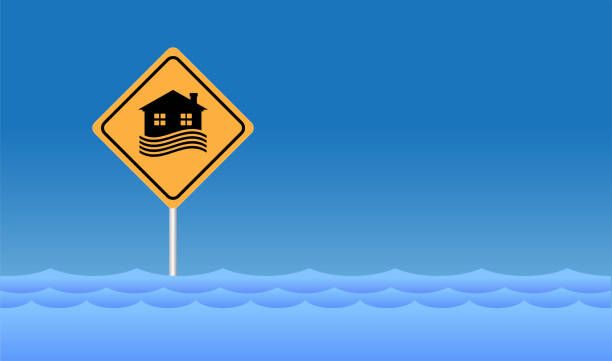
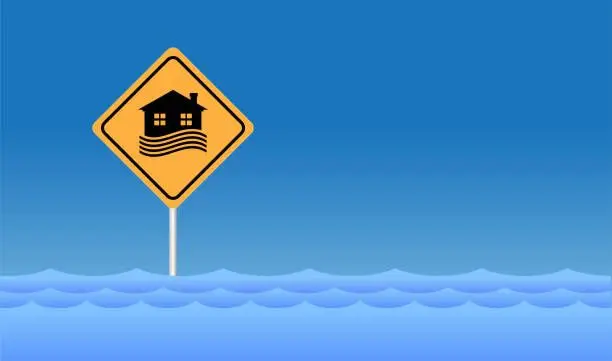
If you’re buying a home in the Tampa Bay area, flood zones are going to come up. And when they do, the conversation can get confusing fast.
I’ve had buyers immediately worry when they see “Zone AE” on a listing. I’ve also had buyers assume that “Zone X” means they never have to think about flooding at all.
The truth is somewhere in between.
Flood zones in Tampa Bay aren’t something to panic about - but they are something you need to understand before you make a decision.
Let’s break it down in a way that actually makes sense.
What Is a Flood Zone?
Flood zones are designated by FEMA (Federal Emergency Management Agency). They indicate how likely an area is to flood based on elevation, storm patterns, proximity to water, and historical data.
In Tampa Bay, the most common flood zones you’ll see are:
-
Zone X - Lower risk (not considered high-risk by FEMA)
-
Zone AE - High-risk flood zone
-
Zone VE - High-risk coastal flood zone, typically closer to open water
Here’s the important part:
Being in a flood zone does not automatically mean a home floods. It means FEMA classifies that area as having a higher statistical risk.
That’s a big difference.
You can also visit FEMA’s flood zone definitions page for clear explanations of what the zone letters mean:
Here
Why Flood Zones Matter in Tampa Bay
We live in a coastal region surrounded by water:
-
Tampa Bay
-
The Gulf of Mexico
-
Intracoastal waterways
-
Lakes, canals, and retention ponds
-
Low-lying coastal land
Because of that, flood zones impact two major things:
-
Insurance requirements
-
Overall cost of ownership
If you’re getting a mortgage on a home located in a high-risk flood zone (AE or VE), your lender will require flood insurance.
And flood insurance costs vary, sometimes significantly, based on:
-
Elevation
-
Construction type
-
Flood zone designation
-
FEMA’s newer Risk Rating 2.0 pricing model
Two homes on the same street can have very different flood insurance premiums.
The Biggest Misunderstanding
I see this all the time:
-
“It’s in Zone X, so I’m completely safe.”
-
“It’s in Zone AE, so it must flood.”
Neither statement is automatically true.
Some Zone X homes have experienced flooding during extreme storms.
Some AE homes have never flooded and sit well above base flood elevation.
Flood history, drainage, elevation certificates, improvements made to the property, and stormwater systems all matter.
The flood map is just one piece of the puzzle.
What Is Base Flood Elevation (BFE)?
If a home is in a high-risk zone, you’ll likely hear the term base flood elevation.
This is the height FEMA estimates floodwaters could reach during a 100-year flood event.
If a home is built:
-
Above BFE → Insurance is typically more affordable
-
Below BFE → Insurance can be significantly higher
That’s why elevation matters so much, and why getting accurate insurance quotes early in the process is important.
Flood Insurance: Single-Family Homes vs. Condos
This is where things get interesting — and where a lot of buyers get confused.
Single-Family Homes
If you’re buying a single-family home in a high-risk zone (AE or VE), you’ll typically need a separate flood insurance policy if you have a mortgage.
Flood insurance is separate from your regular homeowners insurance and can be obtained through:
-
The National Flood Insurance Program (NFIP)
-
Private flood insurance carriers
Pricing depends on the specific property — not just the zone.
Condo Communities (Important for Areas on the Water)
Condo communities work differently.
In many Tampa Bay condo buildings — including areas like Harbour Island, wtaerfront condos, and parts of St. Petersburg — the association carries a master flood insurance policy for the entire building.
That master policy typically covers:
-
The building structure
-
Common areas
-
Exterior elements
-
Sometimes certain portions of the interior (depending on the condo docs)
Because of that, individual unit owners usually do not need to purchase a separate flood policy for the structure itself.
Instead, owners typically carry:
-
An HO-6 condo policy
-
Coverage for personal belongings
-
Interior upgrades
-
Loss assessment protection
This is one of the reasons condo living can feel more predictable from an insurance standpoint.
So if you see that a Harbour Island condo is in a flood zone, don’t automatically assume you’ll be paying a large separate flood premium. In many cases, that coverage is already built into the HOA dues through the master policy.
The key is reviewing the association’s insurance documents so you understand exactly what is covered.
Waterfront and Coastal Areas
Areas closer to open water - like beach communities, canal-front neighborhoods, Davis Islands, Snell Isle, or Shore Acres - are more likely to be in AE or VE zones.
That doesn’t automatically make them risky investments. It just means insurance and elevation need to be part of the conversation.
Many buyers are comfortable paying higher insurance for the waterfront lifestyle.
It’s about making an informed decision - not an emotional one.
What I Tell My Buyers
Flood zones aren’t about fear. They’re about awareness.
Before making an offer, I recommend:
-
Confirming the flood zone
-
Getting a real flood insurance quote
-
Requesting an elevation certificate if available
-
Checking any known flood history
-
Understanding drainage and surrounding terrain
When you understand those pieces, the flood zone label becomes much less intimidating.
Final Thoughts
Flood zones are part of living in Florida - especially in the Tampa Bay area.
They are not automatic deal-breakers.
They are not automatic red flags.
They are simply one part of the bigger picture.
Whether you’re looking at a single-family home in Oldsmar, a waterfront property in St. Pete, or a condo on Harbour Island, the goal is understanding how flood zones affect that specific property - not just reacting to the label.
When you approach it calmly and with the right information, it becomes a manageable part of the decision - not something that controls it. And if you're still figuring out which Tampa Bay neighborhood is right for you, I've put together a complete guide to the best neighborhoods in Tampa Bay - including lifestyle, price ranges, and flood zone considerations for each area.
To see the official FEMA flood map for a property, click Here